A facility is called sustainable when the institution can continue to run it at the standard it was designed for, using the revenue it can realistically earn. By that definition, sustainability is not an environmental feature added late in design. It is a set of decisions taken in the first weeks of a project, most of which are difficult and expensive to revisit.
The following six decisions account for the majority of the operating cost a facility will carry for its entire life.
Decide the service scope before the size
Projects commonly begin with a bed number. A bed number is an output, not an input: it follows from the services offered, the case mix, expected length of stay and the occupancy the institution can sustain. Fixing it first forces every later decision to justify a figure that was never derived.
Defining the service scope first, including the specialties, level of acuity and population to be served, makes the rest of the plan calculable. It also exposes the services that were included because they were expected rather than because demand, workforce and equipment support them.
Model capacity against realistic demand
Capacity modelling should state its assumptions openly: catchment population, expected market share, referral patterns, seasonality, average length of stay, theatre utilisation and diagnostic throughput. Where an assumption cannot be evidenced, it should be tested as a range rather than presented as a figure.
The purpose is not precision. It is to know which assumption the plan is most sensitive to, so that it can be monitored during the first operating year and corrected while the cost of correction is still small.
Plan adjacency around the work, not the drawing
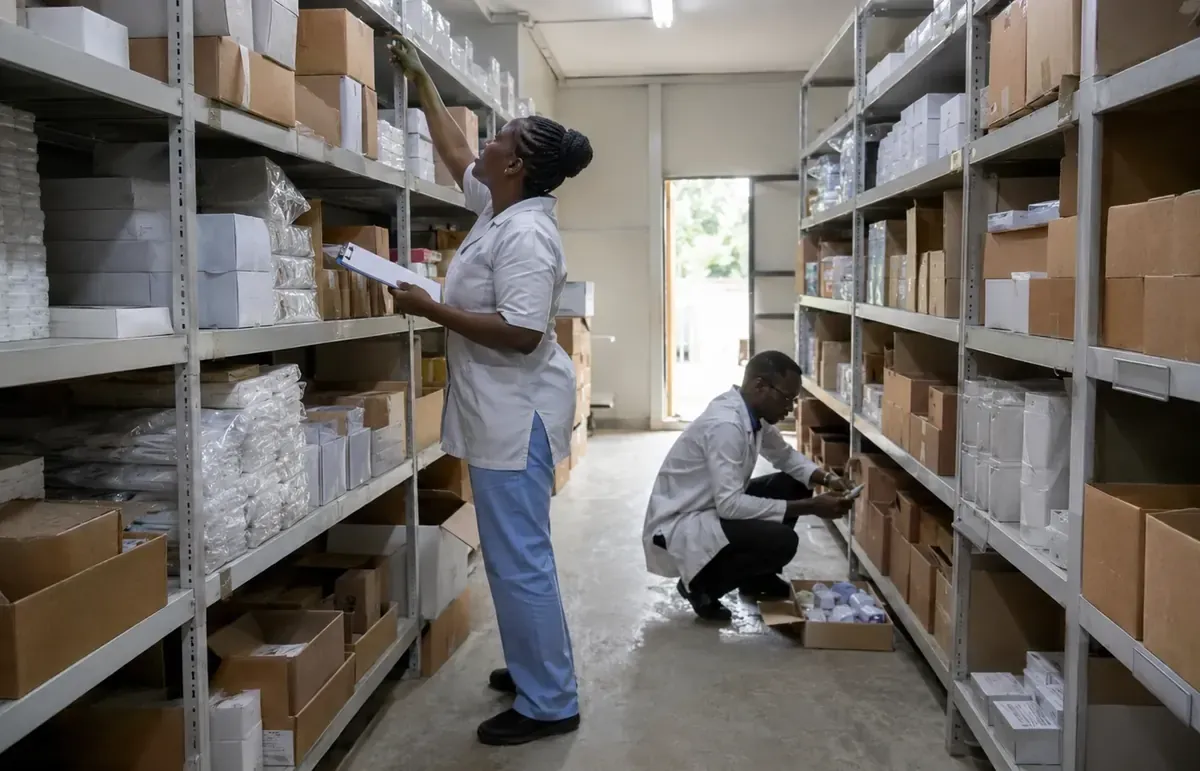
Departmental relationships determine how many steps staff take and how long patients wait for the rest of the building’s life. Emergency to imaging, theatre to sterile services, laboratory to sample collection, wards to vertical circulation: these relationships are cheap to arrange on paper and extremely expensive to correct in concrete.
A functional brief that describes how patients, staff, supplies, samples and waste move through the building gives the design team the information needed to resolve these relationships deliberately.
Treat equipment as an operating commitment
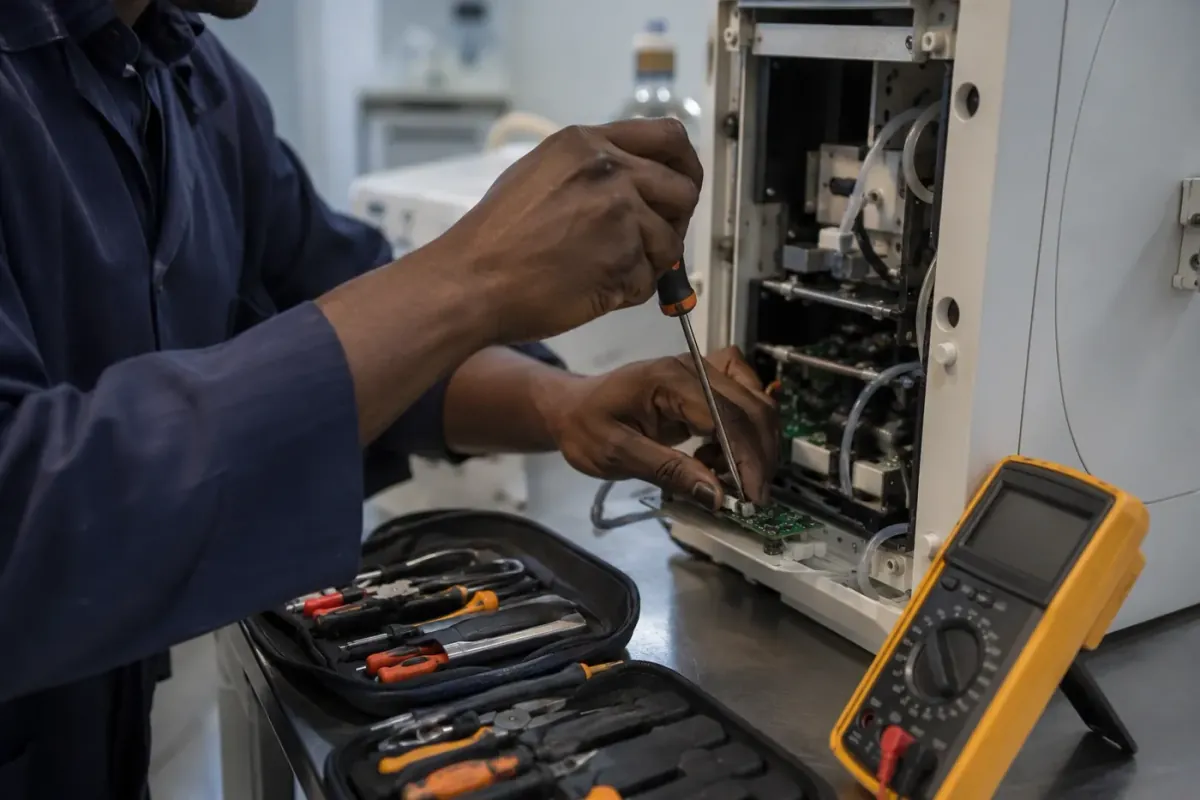
Medical equipment is usually budgeted as capital and then operated without provision. Every device carries an ongoing requirement: consumables, calibration, service, spare parts, trained operators and technical support.
Planning equipment against total cost of ownership over its service life, and confirming local service capability and consumable availability before selection, prevents the familiar outcome of capable devices standing idle for want of a part or a technician.
Confirm the infrastructure the clinical plan assumes
Power quality and continuity, water treatment, medical gases, ventilation, waste handling and network provision are what make clinical services possible. Where supply is unreliable, redundancy is part of the clinical specification.
These requirements should be issued to the design team from the clinical and equipment plan, not discovered during installation when the room has already been built.
Design the staffing model with the building
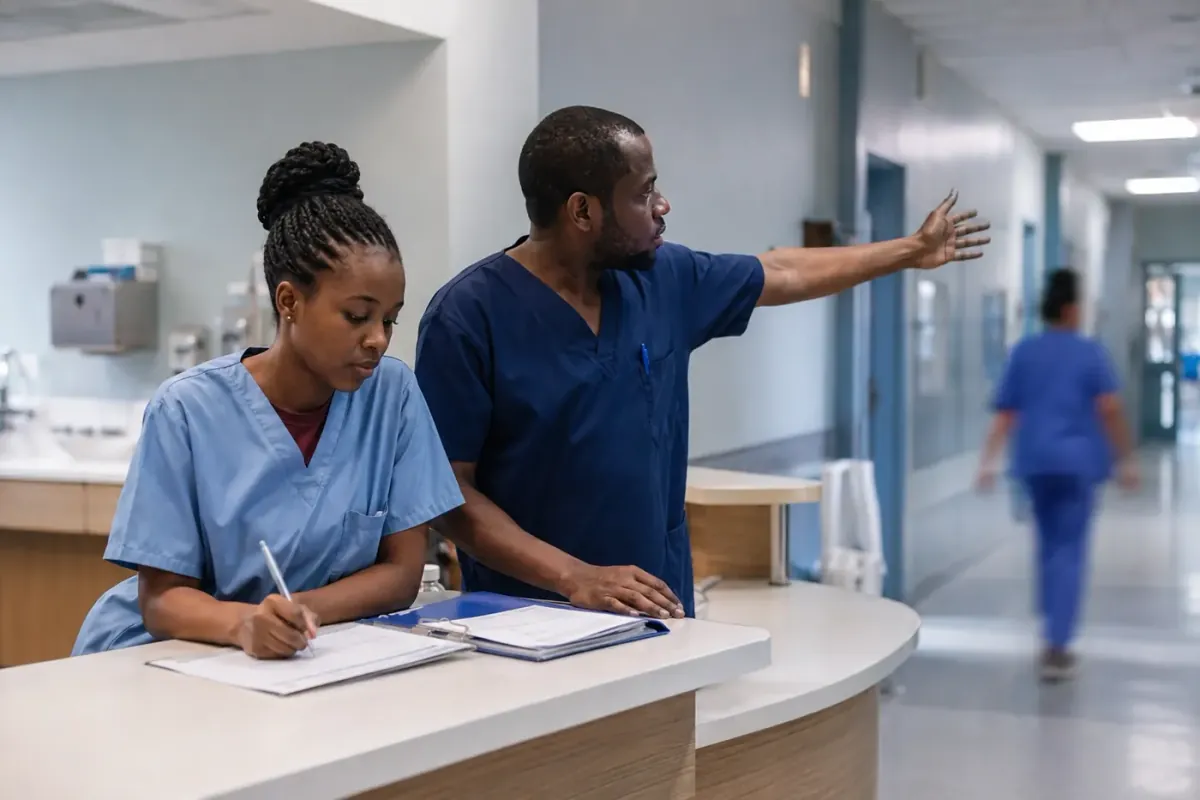
Staff cost is the largest recurring cost in most hospitals, and building layout drives it directly. Additional supervision points, split departments and long internal distances add posts to the roster permanently.
Reviewing the design against the staffing model makes it possible to identify specific improvements. This includes checking night-shift coverage and the distance from nursing stations to supply rooms.
None of these decisions require a completed design to address. They require the clinical and operational content of the institution to be defined before the architecture is fixed, and they require whoever will operate the facility to be in the room while it is being planned.
Facilities that struggle after opening rarely do so because the building was poorly constructed. They struggle because the building was designed for an institution that was never fully described.