
Consulting practice
Hospital Operations and Performance Improvement
Improvement designed to survive the week after the consultants leave.
Overview
How we help
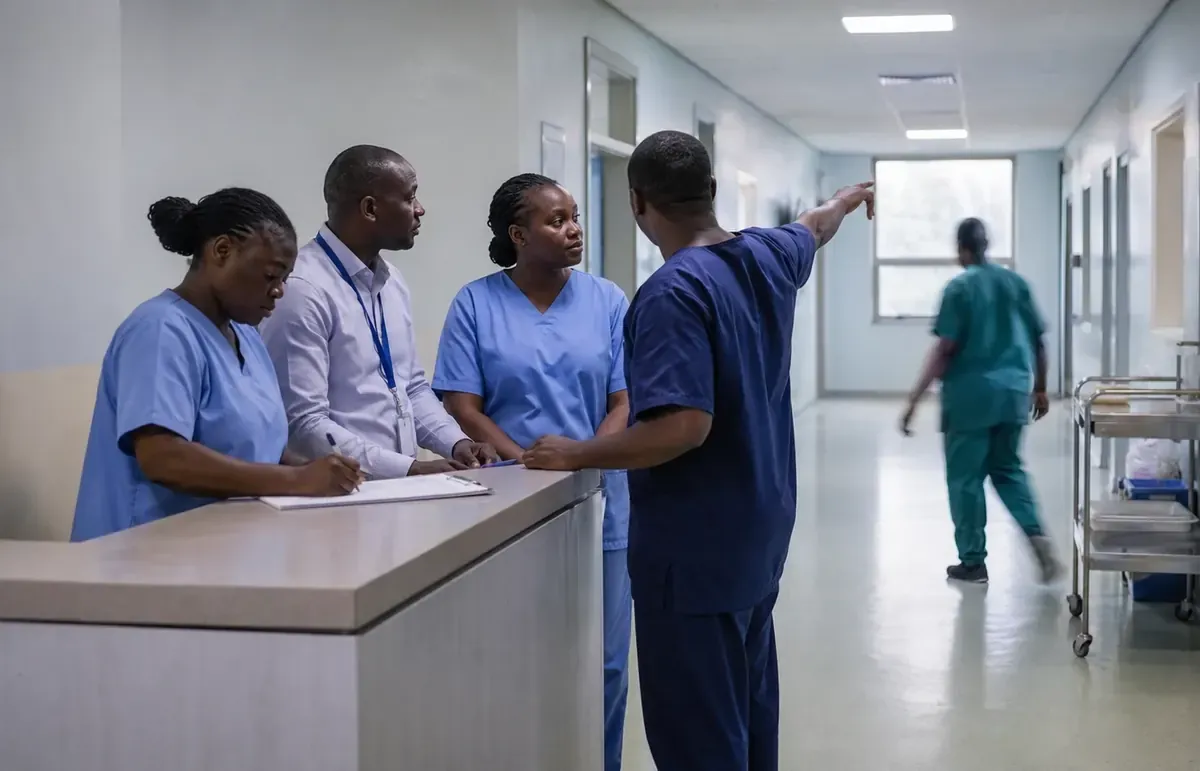
Operational problems in hospitals are rarely caused by a lack of effort. They are caused by handovers that nobody owns, information that arrives after the decision, and procedures that were written once and never reconciled with practice.
We start with observation and data rather than opinion: where patients wait, where staff are duplicating work, where charges are lost, where stock disappears, and where clinical and administrative processes contradict each other. Findings are quantified so that priorities can be argued on evidence.
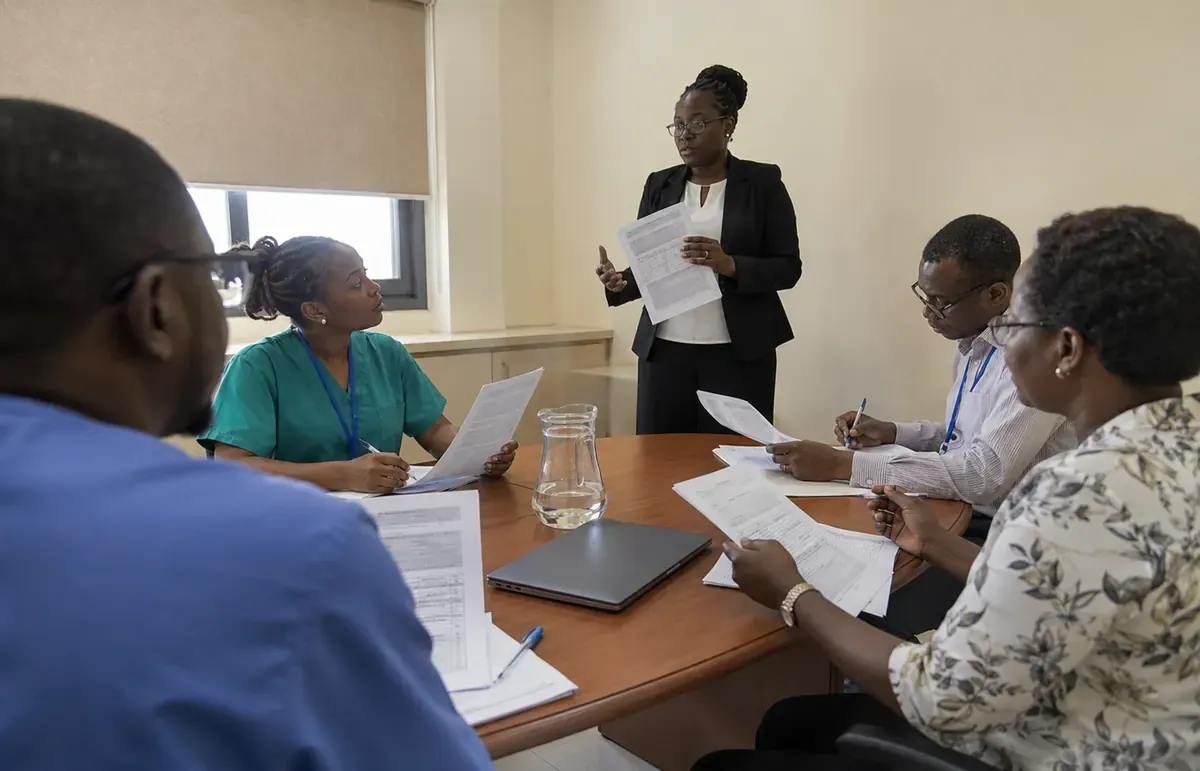
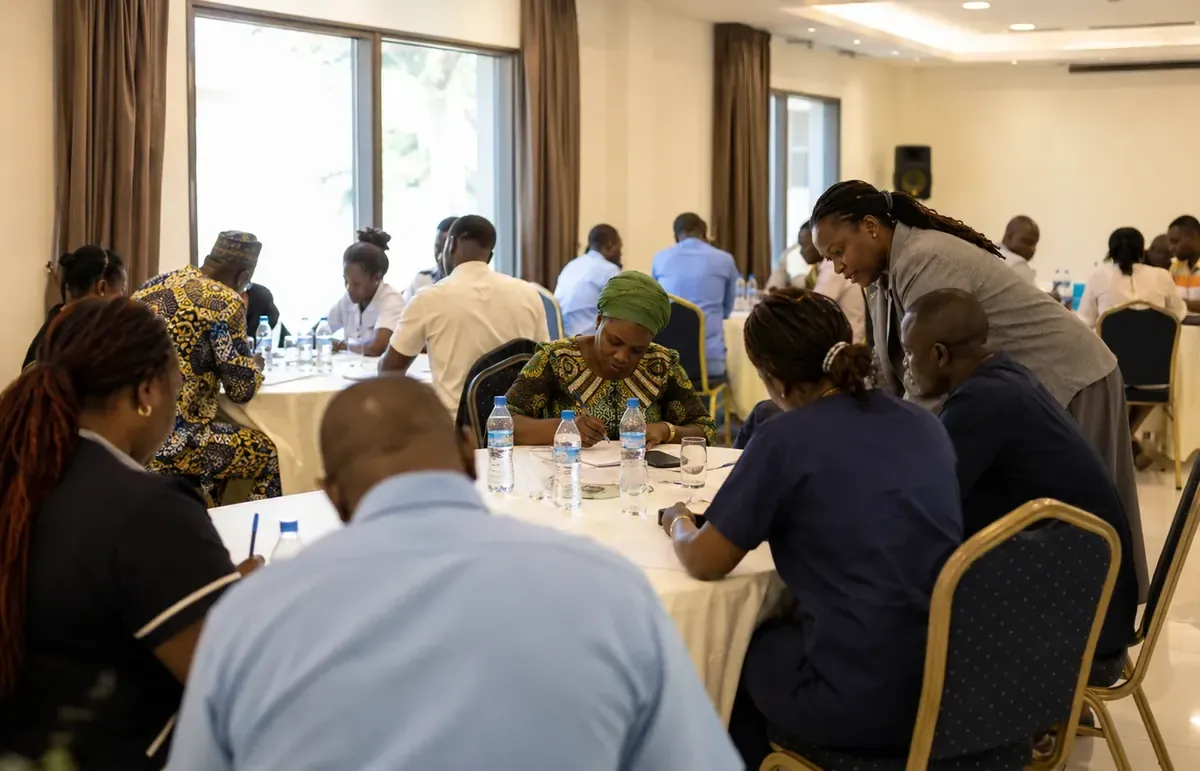
Redesign then happens with the people who do the work, and is embedded through procedures, roles, escalation rules and a management routine with defined meetings, reporting and ownership so that performance continues to be managed after the engagement ends.
Scope of work
What this practice covers
- Operational assessments
- Structured diagnosis of flow, capacity, cost, staffing and management systems.
- Workflow optimisation
- Redesign of departmental and cross-departmental processes with the teams that run them.
- Patient journey improvement
- Reduction of waiting, repetition and handover failures from arrival to discharge and follow-up.
- Revenue and cost optimisation
- Charge capture, billing integrity, payer processes, consumable use and cost-driver analysis.
- Standard operating procedures
- Usable procedures written with the clinical and administrative teams who will apply them.
- Performance-management systems
- Indicator sets, reporting rhythm, escalation rules and accountable ownership.
- Hospital turnaround support
- Stabilisation planning where financial or operational performance has deteriorated.
- Operational implementation
- Hands-on support to run the changes in, not merely to recommend them.
When institutions engage us
Situations this work is designed for
Long outpatient waiting and low throughput
Capacity appears sufficient on paper but patients wait, clinics overrun and complaints rise.
Revenue leakage
Services are delivered but not captured, billed or reconciled reliably, and the gap is not visible in reporting.
Financial deterioration
Costs are rising faster than revenue and the institution needs a stabilisation plan with an evidenced sequence.
Questions
Frequently asked
- Do you work on site?
- Yes. Operational work requires observation of real shifts, real queues and real handovers. Remote-only assessment produces generic findings.
- How do you avoid improvements decaying?
- By handing over ownership rather than documents: named owners, a defined reporting routine, trained internal leads and a review after the change has been running.
Related practices
Work that usually runs alongside this


Next step
Discussing hospital operations and performance improvement?
Describe the institution, the stage you are at and the decision in front of you. We will respond with an honest view of scope and sequence.