
A hospital is organised by department. A patient experiences it as a single sequence, and forms a judgement about the institution based on the transitions between departments rather than the quality of any one of them.
Map the path patients actually take
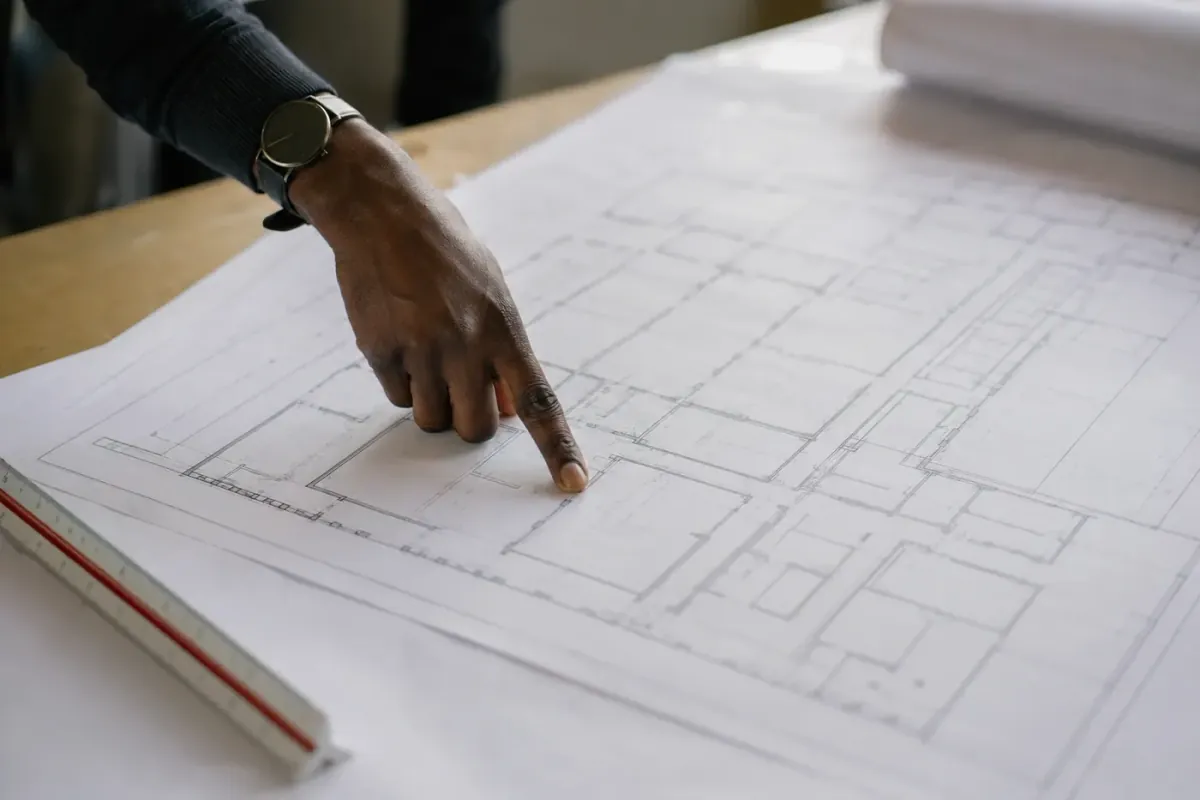
The documented pathway and the observed pathway are rarely the same. Walking the route, including return trips for signatures, receipts or missing forms, reveals steps that exist only because of an old system constraint.
Measure by stage, not in total
A single figure for total visit time cannot be acted upon. Time between arrival and registration, registration and consultation, request and sample, sample and result, result and decision: each has a different owner and a different cause.
Treat handovers as the priority
Where a patient, a sample or a piece of information passes between departments, delay accumulates and accountability weakens. Defining what should happen, within what time, and who escalates when it does not, addresses the largest share of avoidable waiting.
Stop capturing the same information repeatedly
Patients asked for the same details at four points reasonably conclude that the institution does not communicate internally. Reducing repetition improves both experience and data quality, and usually requires process agreement rather than new software.
Manage the waiting that cannot be removed
Some waiting is unavoidable. Its effect is largely determined by whether patients know how long it will be, whether they are told when it changes, and whether the environment is tolerable.
Announced, explained waiting is experienced very differently from silent, unexplained waiting of the same length.
Close the loop after the visit
Results that are not communicated, follow-ups that are not booked and discharge instructions that are not understood generate avoidable return visits and clinical risk. The journey ends when the loop is closed, not when the patient leaves the building.
Patient-journey work seldom requires additional capacity. It requires someone to own the whole sequence, to measure it by stage, and to hold departments to what they have agreed to do at the points where they meet.